A company applying for the Netherlands' next land-based horse-race betting monopoly will pay €40,900 for assessment. Even after passing that assessment, it may face a draw conducted by a notary to decide who gets the single licence.
The Dutch Gambling Authority, Ksa, announced the procedure on 28 October. Applications run from 4 to 31 January 2027. The announcement names no successful applicant.
Eligibility comes before the draw
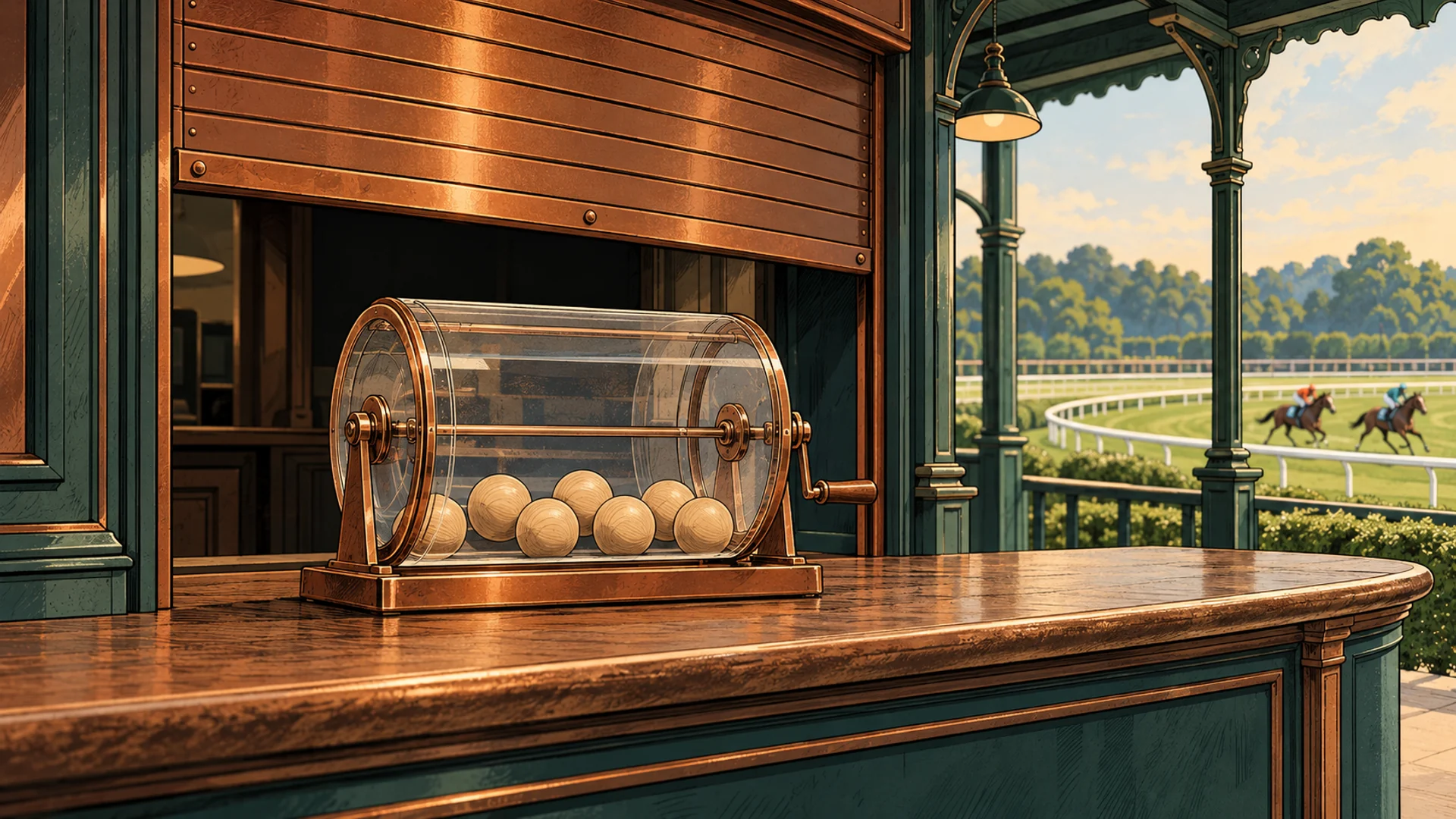
Ksa will first assess applicants against requirements including integrity controls, protection against gambling harm and underage participation, and demonstrable experience offering sports betting offline. A second stage takes place only if more than one applicant remains: the notary then selects the winner through an unweighted lottery.
The processing fee is payable in advance and non-refundable. For a business considering an application, there are therefore two separate uncertainties: whether it passes assessment and whether it wins a draw if several candidates qualify. Paying the fee supplies neither answer.
Our report on New Zealand's online casino auction follows another separation between selection and licensing. Its auction prices and application rights belong to that country's procedure; Ksa has described a qualification process followed, if necessary, by a lottery.
The permission covers physical betting outlets
The proposed term is 1 July 2027 to 30 June 2032. ZEbetting & Gaming Nederland B.V.'s current licence expires on 30 June 2027.
This totalisator licence covers pari-mutuel, or pool, betting on horse races at locations such as racecourses and physical betting offices. Online gambling sits under the separate remote licensing system. The announcement does not extend this permission to an online sportsbook.
The holder must make a monthly contribution to the horse-racing sector of 10% of gross gaming result on covered bets concerning harness and horse races organised in the Netherlands. The geographical restriction is part of the stated contribution base.
For a purely hypothetical month with €100,000 of covered gross gaming result, 10% is €10,000. That example assumes the revenue base has already been established; it does not calculate it from stakes or estimate the incumbent's business. Our GGR and NGR explainer examines why a revenue measure needs its own definition before a percentage is applied.
Ksa expects to publish the application form and model licence in December 2026. Those documents should provide the next detail for applicants ahead of January's filing window. The licence term itself begins in July.