
Poker pot odds: count the pot, then the price of the call
A £40 call into £160 offers 4:1 pot odds. The percentage uses a different denominator. A worked ledger separates that price from equity, fees and future bets.

The shared byline for Betting Tribune reporting and explainers prepared by the publication’s editorial desk.
This collective byline identifies Betting Tribune’s editorial work on gambling businesses, products and culture. It is not a profile of an individual reporter or a claim that a named expert has endorsed the reporting.
Articles identify their sources, separate examples from reported facts and state the jurisdiction where it matters. AI-assisted illustrations are labelled. Material corrections and revisions belong in the affected story, with an update date that preserves its original publication date.
For a correction, send the article URL, the disputed passage and evidence the desk can check. Individual contributor profiles will appear only when a real person’s identity and role are ready for public verification.
A £40 call into £160 offers 4:1 pot odds. The percentage uses a different denominator. A worked ledger separates that price from equity, fees and future bets.

A fixed 100-spin model shows how stake volume becomes an expected loss, which session results are possible and why a losing run creates no repayment schedule.

Three unequal stacks can produce different winners. Follow a 50/120/200-chip example through the main pot, side pot, a fold and an uncalled return.

Employee notifications have begun. Flutter's filing sets out the expected timetable and previously guided costs, while redundancies remain subject to consultation.
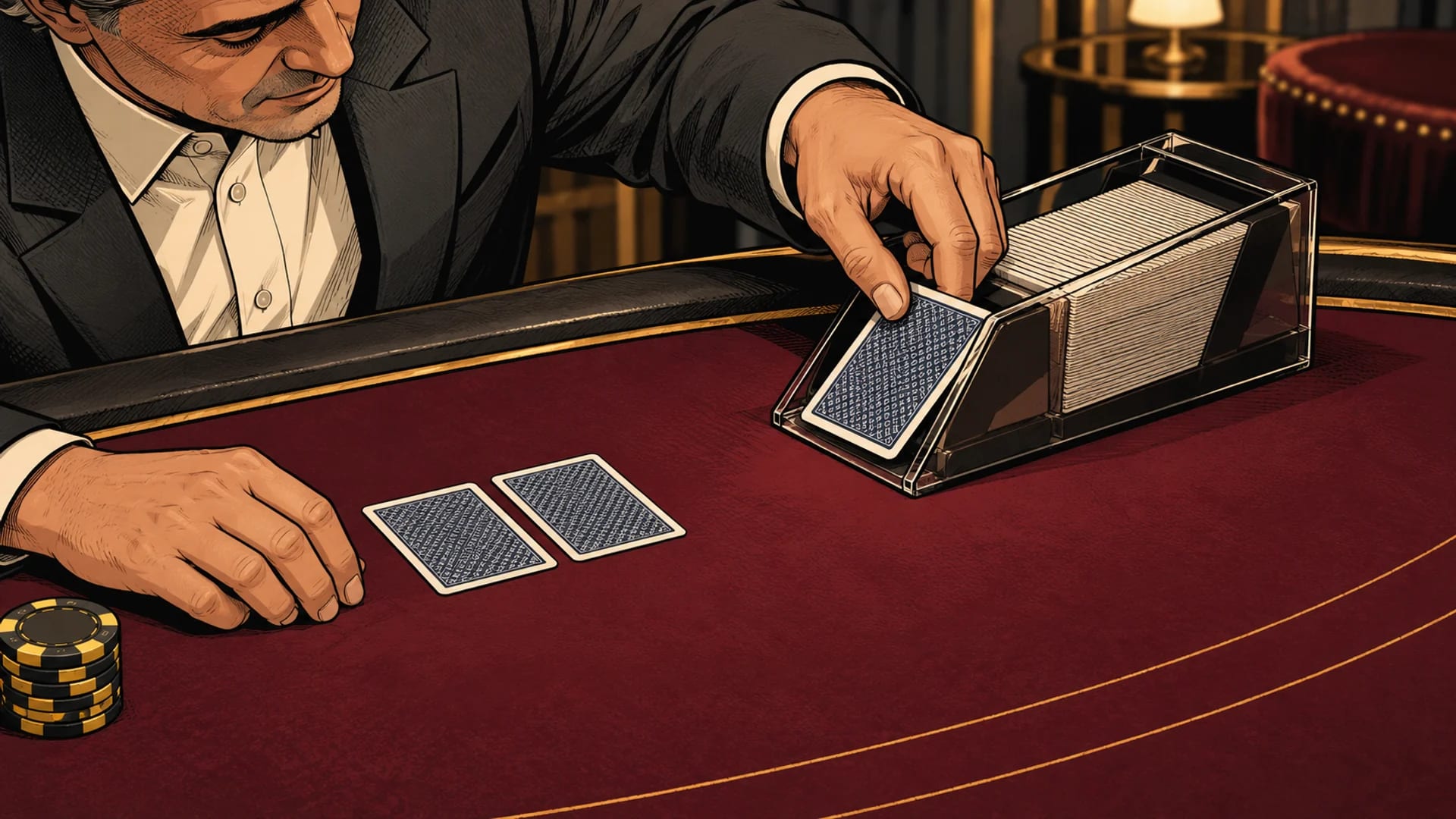
The same total can stop the deal or require another card. Trace the ace's value and the instruction that governs the dealer's next move.

Follow the money removed from a poker pot, the ceiling on a hand's fee and the entry payment that never reaches a tournament prize pool.
A winning natural earns less at 6:5. Follow the profit and returned stake, then check which hands qualify before treating a total of 21 as a premium win.

A betting price becomes a percentage with one division. That number describes a price; a complete market and its settlement rules tell you what the percentage leaves out.

A drawn cash single can return its stake while an accumulator keeps running. Follow the refund, the reduced price and the match period being settled.

Banker can stand on three even when it is behind. Follow Player's third card, the natural exception and the automatic drawing chart in named rules.
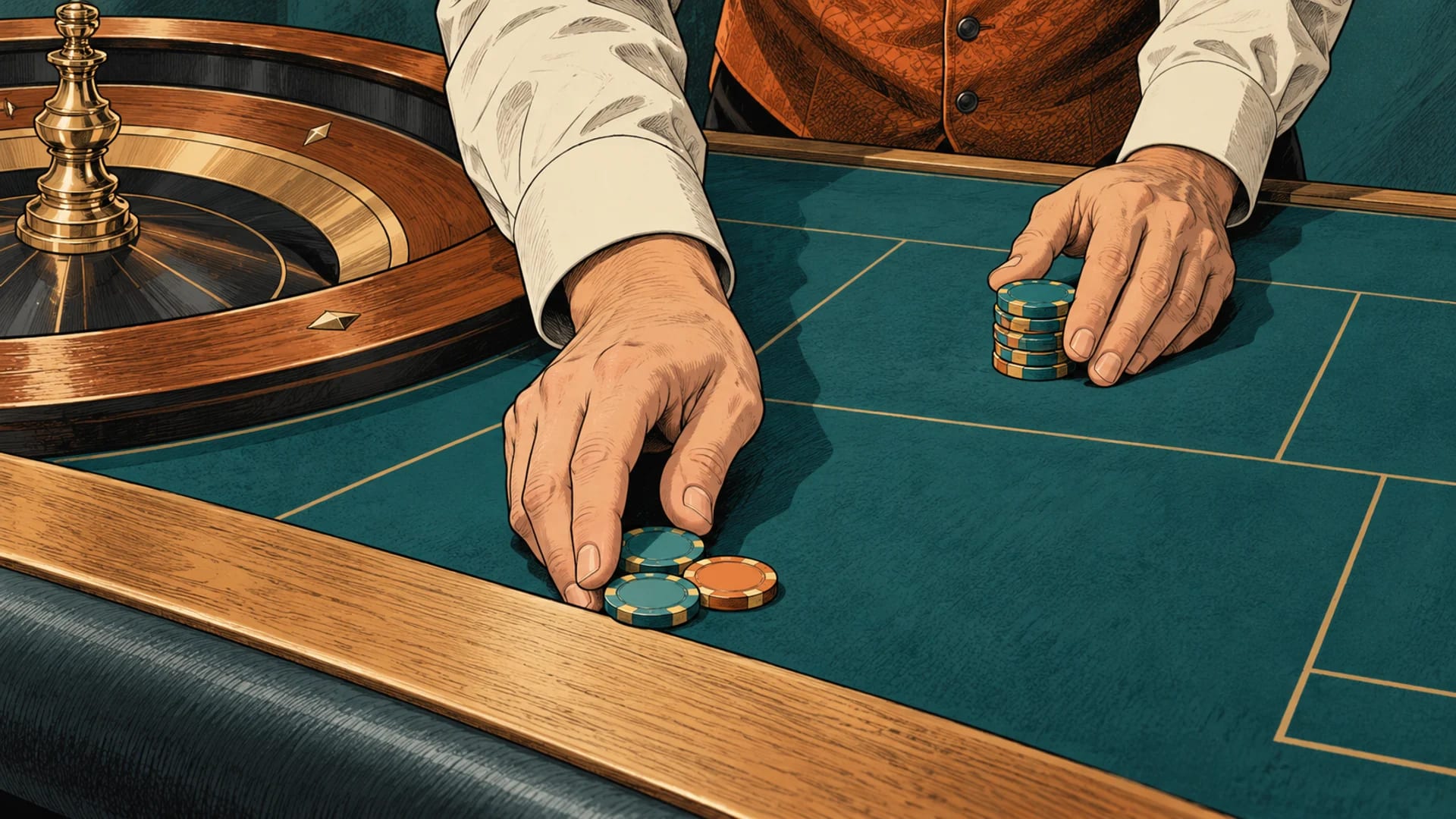
Zero can return half a roulette stake or leave the wager held for another result. Follow the cash difference and the limits of named Québec and Monaco rules.

A tied hand can return your stake without profit. Natural blackjack, dealer 22 and separately staked side bets need their own settlement clauses.