
Series: Beyond the Bet
Monopoly Live Casino: The Rights Behind the Show
Hasbro divided casino rights by format. Follow Monopoly into live shows, online slots and physical casinos, separating signed deals from actual releases.

The dealer is visible. Much of the product that accepts and settles the bet is not.
A route through the reporting
A live table combines a physical game, a broadcast and a software product. Those layers can behave differently during a disruption, and they carry different costs when a supplier opens a studio or enters a market. This collection makes those distinctions visible before moving into individual companies and incidents.
Read the studio guide first if the production chain is unfamiliar. Then choose between the operating question—why a table needs local infrastructure—and the player-facing question of what happens when a round is interrupted. The sources and game rules matter more than the appearance of the stream. A frozen picture is not, by itself, a complete account of whether a wager was accepted, a result recorded or a round recoverable.
Guide reviewed . Check each article for its reporting date and sources.
Go behind the table
Follow the studio, video and game software as separate parts of the service. This is the foundation for understanding which party produces the stream, records a wager and supplies the product to an operator.
Read the operating decision
Explore the reasons a live-casino supplier may need local studios rather than one global room. The article considers the market and production constraints behind a decision that can otherwise look like simple expansion.
Trace an interrupted round
Compare loss of video with loss of an accepted wager and interruption of a player decision. The reporting uses named rules and explains why the outcome must be checked against the particular game and operator.
Hasbro divided casino rights by format. Follow Monopoly into live shows, online slots and physical casinos, separating signed deals from actual releases.

Lightning Roulette adds enhanced payouts but lowers ordinary straight-up wins. Compare the original rules with a separately configured double-zero version.
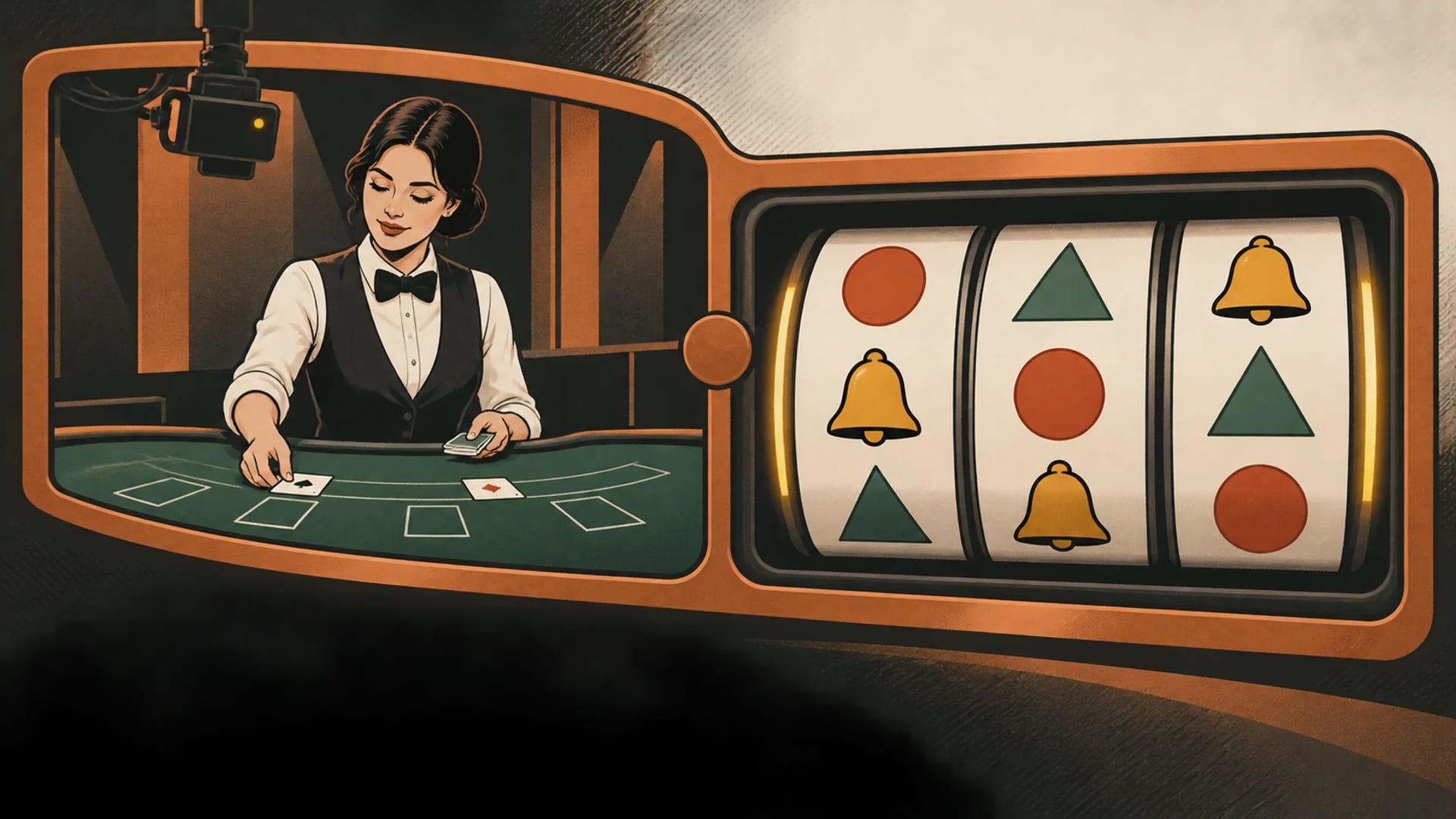
The NetEnt, Big Time Gaming and Nolimit City deals gave Evolution more than slot games. They changed the casino supplier’s portfolio and distribution model.

A frozen stream does not automatically void a live casino wager. Acceptance, remaining player decisions and round validity determine what happens next.
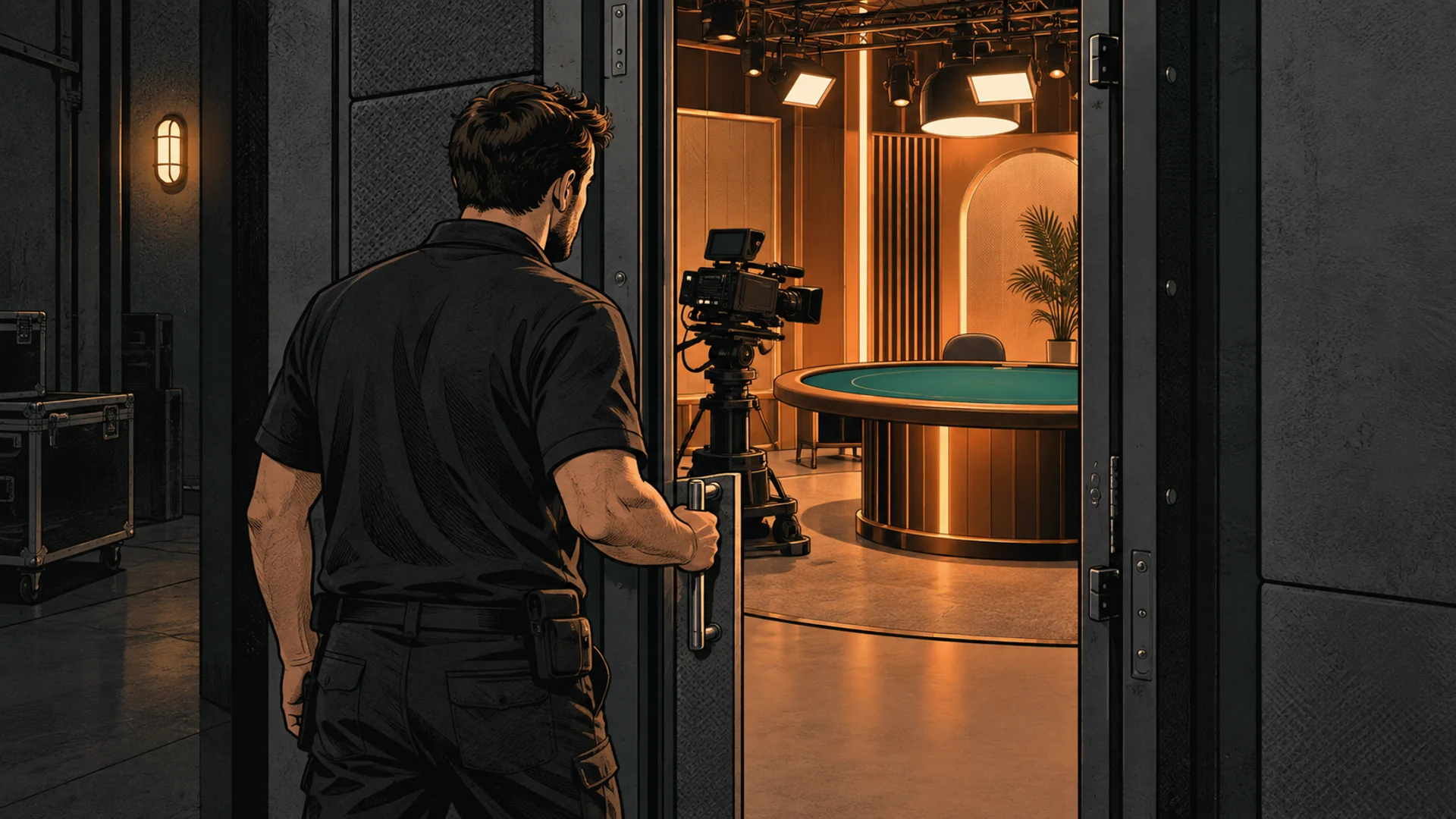
Live casino studios connect local permissions, language and production capacity. Michigan and Dutch-facing examples show why those are different decisions.
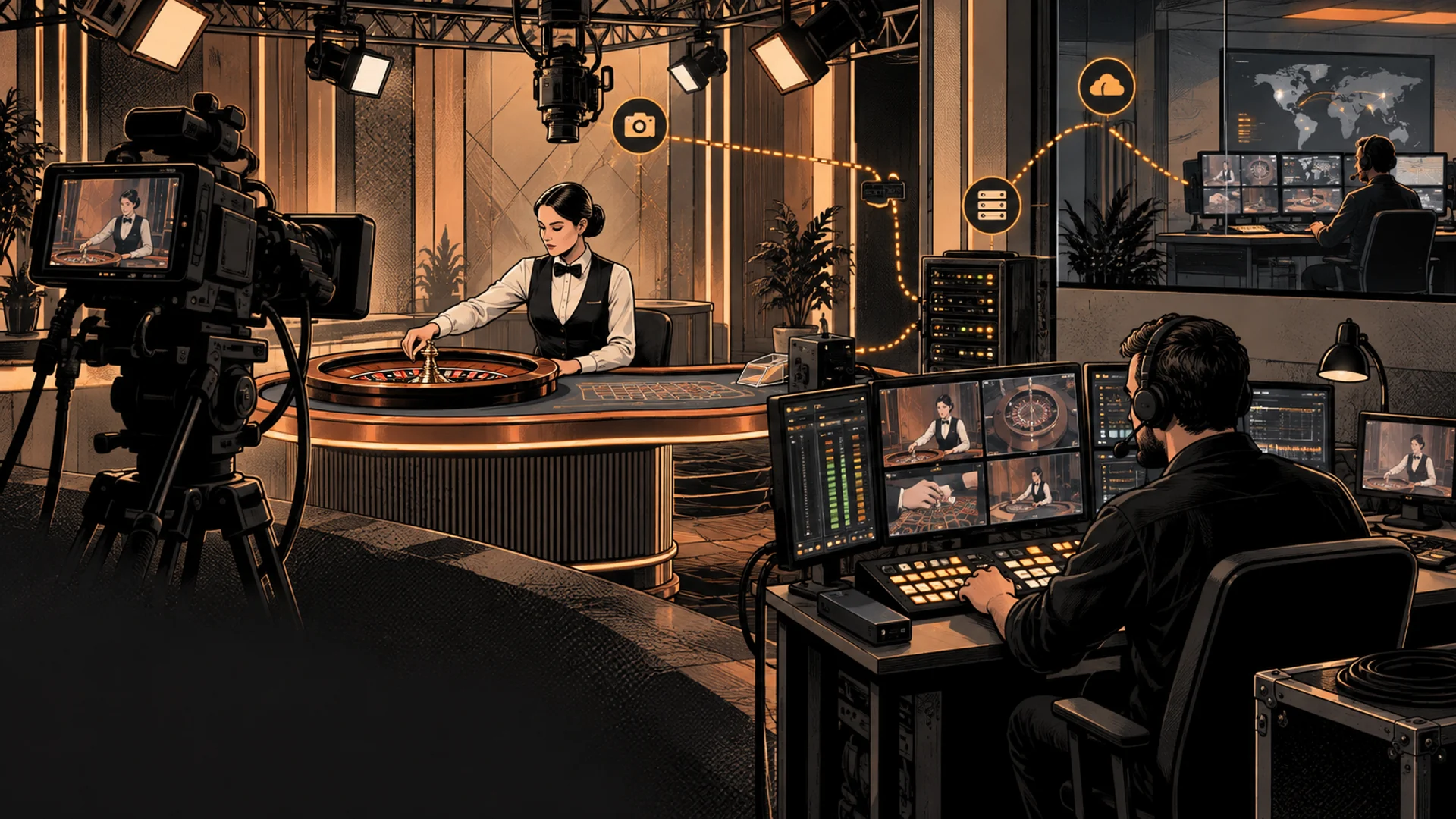
See how cameras, game-control equipment, low-latency streaming and operator wallets turn a live dealer table into a synchronized online casino round.